Landlord Liability Insurance – Protecting Your Rental and Your Wallet
Secure your investment! Understand landlord liability insurance to protect against lawsuits, injuries, and property damage. Get coverage tips.
Why Landlord Liability Insurance Is Essential for Property Owners
Landlord liability insurance protects rental property owners from financial losses when tenants or visitors are injured on their property due to the landlord's negligence. This coverage is a critical part of any landlord insurance policy, saving you from devastating lawsuits and protecting your rental income.
Key Coverage Areas:
- Bodily injury claims: When someone is hurt on your rental property.
- Property damage liability: When your negligence damages another's property.
- Legal defense costs: Attorney fees and court costs for covered claims.
- Medical payments: Guest medical expenses, regardless of fault.
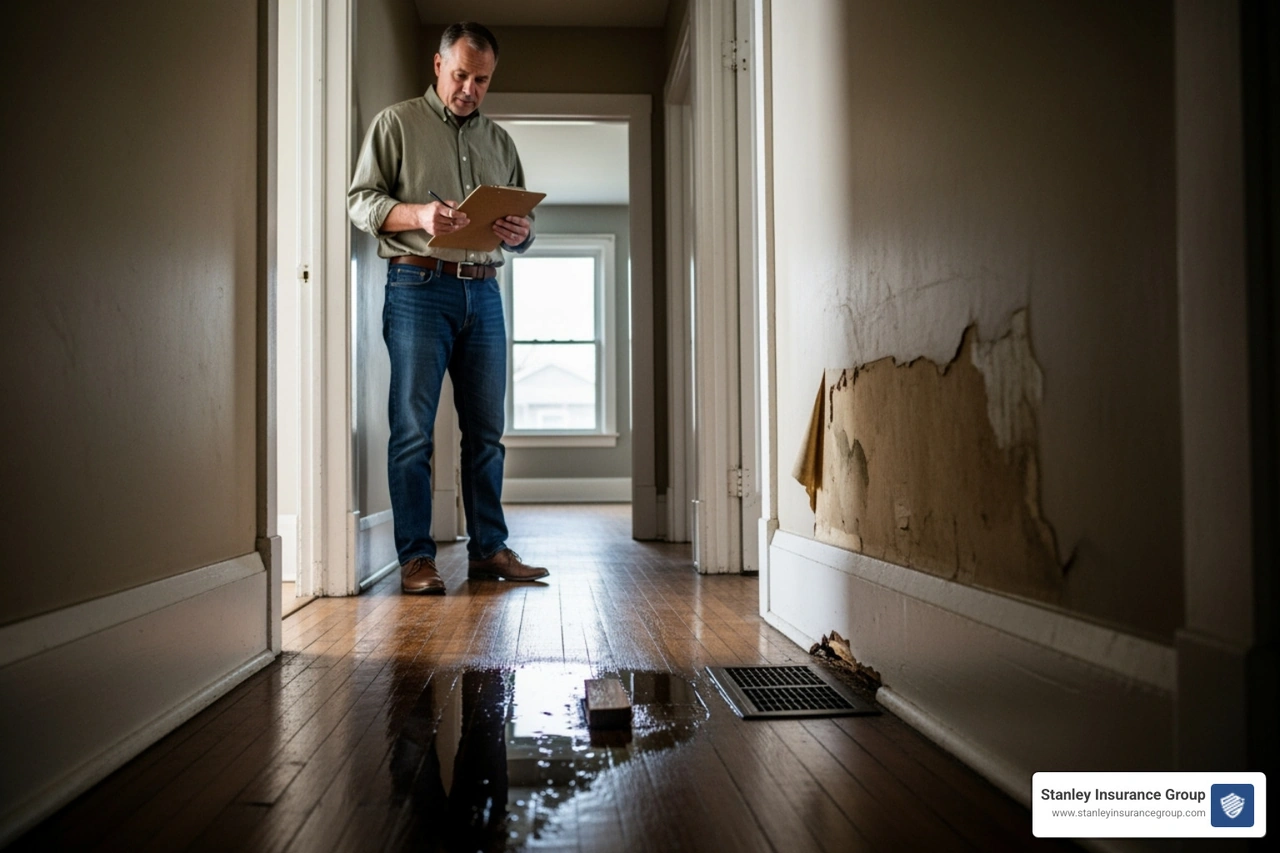
A simple slip on a broken step that a landlord failed to repair can turn into a costly lawsuit. Without proper liability coverage, a negligence claim could lead to significant out-of-pocket expenses for medical bills, legal fees, and damages.
The general rule of thumb is to carry at least $1 million in liability coverage for rental properties. While standard policies often include $100,000 to $300,000, many experienced landlords opt for umbrella policies to extend coverage to $1 million or more.
I'm Brandon Stanley, and I've been helping property owners in the Columbus area secure comprehensive landlord liability insurance since taking over our family business, which has served the community since '84. I've seen how proper liability coverage protects both your investment and your financial future.

Essential landlord liability insurance terms:
What Is Landlord Liability Insurance?
Landlord liability insurance is your financial shield if someone gets hurt on your rental property or if their belongings are damaged due to your negligence. Think of it as a safety net for unexpected accidents that could lead to lawsuits. While not always required by law, it's fundamental for anyone renting out property.
This coverage steps in for many scenarios, like a guest slipping on ice you should have cleared or a loose handrail causing an injury. It helps cover legal fees, court costs, and potential payouts for medical bills or lost wages. Defending against a claim, even a baseless one, can be expensive; this insurance ensures you're not footing the bill alone.
Rental property policies, often called DP-3 policies, are designed for homes you own but don't live in. They usually include a base level of liability coverage, typically from $100,000 to $300,000. However, serious claims can exceed these limits. That's where an umbrella liability add-on is invaluable, offering an extra layer of protection, often starting at $1 million or more. For a quick primer on how this works, see umbrella insurance.
Landlord Liability Insurance vs. Homeowners & Renters Policies
It's crucial to understand the difference between these policies:
- Homeowners Insurance: For the home you live in. It covers your house, personal belongings, and personal liability. It does not cover rental activities.
- Landlord Insurance (Dwelling Fire Policy): For your rental properties. It protects the building, other structures, and any of your property used for the rental. Most importantly, it includes landlord liability insurance to protect you as the property owner.
- Renters Insurance: For your tenants. It covers their personal belongings and provides them with personal liability coverage. We strongly recommend requiring tenants to have this, as it protects them and can prevent claims from coming back to your policy.
In short, your landlord policy protects your investment, while a renters policy protects your tenant.
Key Benefits of Landlord Liability Insurance
Solid landlord liability insurance offers more than just coverage; it provides security and peace of mind.
- Protection Against Costly Lawsuits: This is the biggest benefit. Your policy helps cover legal fees, court costs, and settlements up to your policy limits, protecting your savings and assets.
- Medical Payments Coverage: This can cover smaller medical expenses for guests injured on your property, regardless of fault, often preventing minor incidents from escalating into lawsuits.
- Safeguarding Your Rental Income: Most landlord policies include "loss of use" coverage. If a covered event like a fire makes your property unlivable, this helps replace your lost rental income during repairs.
- Peace of Mind: Knowing you're protected from unexpected accidents and legal challenges allows you to manage your property without constant worry about financial ruin.
Coverage & Exclusions You Need to Know
Understanding what your landlord liability insurance covers—and what it doesn't—is key to avoiding surprises. At its core, this coverage is about premises liability, meaning it applies when accidents happen on the property you own and rent out.
Your policy typically covers situations like a tenant's guest falling on a loose floorboard or a slip-and-fall accident on an unlit stairway. It's designed to handle the medical bills and legal fees if you're found negligent for not fixing a known hazard. However, it's important to know the limits. Your policy won't cover intentional damage by a tenant or liabilities arising from a tenant's business activities on the premises. Furthermore, liability coverage protects you from claims by others; it does not cover damage to your own rental building, which falls under the property coverage portion of your policy.
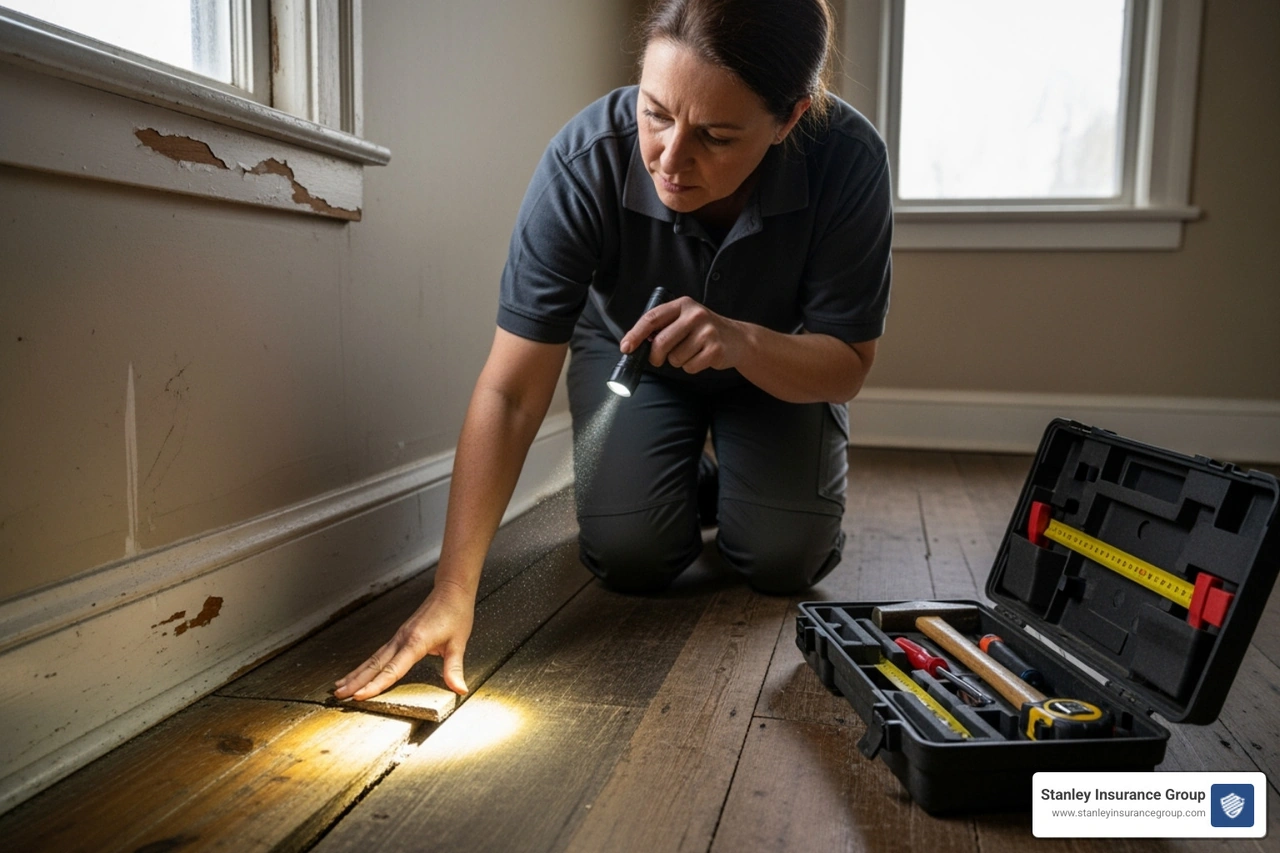
Your maintenance obligation is critical. This insurance protects you from claims of negligence. Proactively maintaining your property and fixing hazards quickly is your best defense against claims.
Common Add-Ons & Higher Limits for Landlord Liability Insurance
While a basic policy is a great start, you can improve your protection with smart add-ons.
The best way to boost your coverage is with an umbrella insurance policy. It provides an extra layer of protection, typically starting at $1 million, once the limits on your base landlord or auto policies are exhausted. It's a surprisingly affordable way to get serious peace of mind.
For landlord liability, a base policy commonly starts around $100,000 to $300,000 in coverage, while an umbrella policy can add $1 million or more once the base limit is exhausted. Auto liability coverage may also be eligible for umbrella protection, with typical base limits around $250,000 to $500,000 and the same potential for an additional $1 million or more in umbrella coverage.
Other endorsements to consider include flood insurance if your property is in a flood zone or ordinance or law coverage to help with the costs of rebuilding to current codes after a major loss. If your property has high-risk amenities like a swimming pool or playground, ensure your liability limits are adequate.
What’s NOT Covered
Be aware of these common exclusions in a landlord liability insurance policy:
- Wear and Tear: Gradual deterioration of your property is a maintenance cost, not an insurance claim.
- Tenant's Personal Property: Your policy does not cover your tenant's belongings. This is why requiring renters insurance is so important.
- Injuries to Contractors: Hired contractors should have their own business liability and workers' compensation insurance.
- Environmental Hazards: Issues like mold, asbestos, or lead paint are typically excluded and may require specialized coverage.
- Illegal Acts or Pest Infestations: Your policy won't cover liability from illegal activities, intentional harm, or most pest problems, which are considered maintenance issues.
How Much Coverage Do You Need & What Will It Cost?
Figuring out how much landlord liability insurance you need is a common question. While there's no single answer, we can help you find the right amount for your situation.
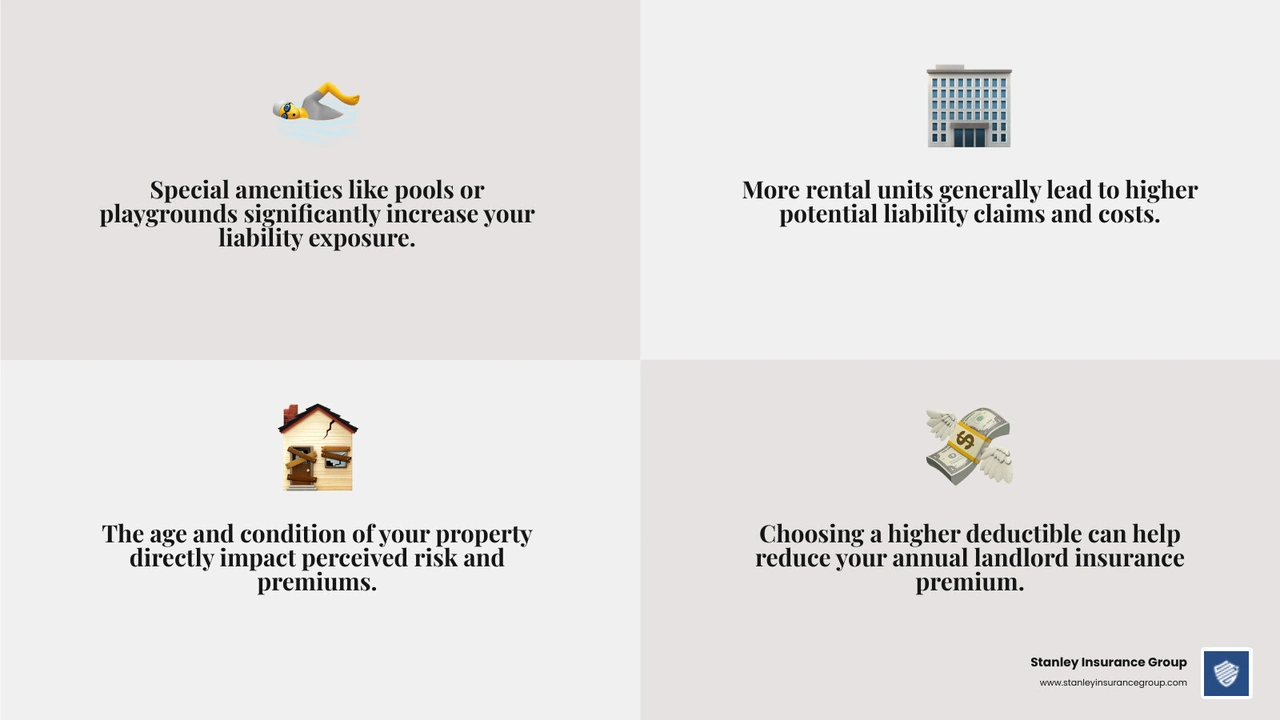
We generally recommend at least $1 million in liability coverage for rental properties. This is often achieved by combining a base landlord policy (typically $100,000 to $300,000) with an umbrella policy. The right amount for you depends on your personal assets, your property's value, its location in Ohio, and its features. Properties with special amenities like a swimming pool carry more risk and require higher limits. The age and condition of your property and the number of units are also key factors.
Landlords can typically expect annual premiums for a landlord policy to fall between $500 and $2,000. Due to the unique risks involved, landlord insurance often costs 15-25% more than a standard homeowners policy.
Landlord Liability Insurance Cost Benchmarks
Several benchmarks influence the cost of your landlord liability insurance. The size and number of units you own is a primary factor; a single-family home is generally less expensive to insure than a multi-unit apartment building. The age of the building and your personal claims history also play significant roles. Finally, the coverage limits you select directly impact your premium. Higher limits and umbrella policies cost more, but they are a wise investment in your financial security.
Saving on Landlord Liability Insurance
We're all about helping you find smart ways to save on your landlord liability insurance without sacrificing protection.
- Bundle Your Policies: Combining your landlord, auto, and home insurance with one carrier can lead to significant discounts.
- Choose a Higher Deductible: Opting for a higher deductible on the property damage portion of your policy can lower your annual premium. Just be sure it's an amount you can comfortably pay out-of-pocket.
- Mitigate Your Risks: Proactive maintenance, thorough tenant screening, and requiring tenants to carry renters insurance can lower your risk profile and your rates.
- Ask About Discounts: Inquire about discounts for safety features like security systems or smoke detectors.
As an independent agency, Stanley Insurance Group provides a concierge touch. We shop multiple top-rated carriers to find you the best blend of coverage and price. We've been serving the community since '84, and with Spanish-speaking help from Ana and Sandra, we make the process smooth for everyone.
Choosing the Right Policy & Lowering Your Risk
Finding the right landlord liability insurance is about more than just price. It's about understanding your unique risk profile and ensuring your coverage truly protects you.
Start by assessing your property. An older duplex has different risks than a new home with a pool. The best approach is to get quotes from multiple carriers, which is where an independent agent provides a significant advantage. We can compare options for you, explaining the differences and spotting potential gaps.
One of the best risk management strategies is requiring tenants to carry renters insurance. This simple lease requirement protects their belongings and provides them with liability coverage, reducing the chances they'll need to file a claim against your policy. Also, consider safety upgrades like better lighting or modern smoke detectors, which can protect tenants and potentially lower your premiums.
10 Pro Tips to Reduce Liability
The best insurance claim is one that never happens. Here are ten tips to keep your property safe and your liability low:
- Routine Inspections: Regularly walk through your property to spot hazards like loose handrails or cracked sidewalks. Document everything.
- Repair Hazards Immediately: Don't procrastinate on repairs. A known but unfixed problem is a hallmark of negligence.
- Install Adequate Lighting: Well-lit stairways, walkways, and parking areas prevent accidents.
- Document Lease Rules: Clearly outline tenant responsibilities in the lease and enforce them consistently.
- Handle Snow and Ice Removal: Promptly clear icy surfaces, a common source of slip-and-fall claims in Ohio.
- Maintain Detectors: Regularly test smoke and carbon monoxide detectors and replace batteries.
- Secure All Handrails: Ensure all handrails are sturdy and meet local building codes.
- Use Licensed, Insured Contractors: Their insurance protects you if something goes wrong during their work.
- Keep Detailed Records: Document all inspections, repairs, and tenant communications.
- Require Renters Insurance: This shifts responsibility for tenant liability away from your policy.
Where to Buy Landlord Liability Insurance
When it's time to buy landlord liability insurance, you have options, but an independent agent like us offers a distinct advantage. Since '84, we've provided a concierge touch to property owners in the Columbus area and beyond. We work with multiple top carriers, including a partnership with GEICO that's available to only 100 independent agencies nationwide.
Our team, including Amy for commercial lines and our Spanish-speaking specialists Ana and Sandra, provides expert guidance. Whether you're in Hilliard, Dublin, or anywhere else we serve across Ohio, Pennsylvania, Tennessee, North Carolina, South Carolina, or Florida, we're here to find the right solution for you.
More info about Landlord Insurance
Frequently Asked Questions about Landlord Liability Insurance
We hear many great questions from landlords. Here are answers to some of the most common ones.
How much landlord liability insurance should I carry?
While no specific amount is required by law, we generally recommend at least $1 million in total landlord liability insurance. This is often a combination of your base policy (which typically offers $100,000 to $300,000) and an umbrella policy. This amount helps ensure your personal assets are protected from costly lawsuits. The right coverage for you will depend on your total assets and property risk factors.
Does landlord liability insurance cover tenant injuries inside the unit?
Yes, it can, but only if the injury is due to your negligence as the landlord. For example, if a tenant is hurt by a structural defect you knew about but didn't fix, your policy would likely respond. If the injury is due to the tenant's own actions, their renters insurance would be the primary coverage. This is another key reason to require tenants to have their own policy.
Is landlord liability insurance required by law in Ohio?
No, Ohio does not legally require landlords to carry liability insurance. However, if you have a mortgage, your lender will almost certainly require you to have a landlord insurance policy, which includes liability coverage, to protect their investment. Even if you own your property outright, we highly recommend this coverage to protect your financial future and provide essential peace of mind.
Conclusion
Owning rental property is a rewarding journey, but it comes with responsibilities. The right landlord liability insurance is a fundamental part of protecting your investment and your peace of mind.
At Stanley Insurance Group, we believe in a "concierge touch." We build relationships, understand your unique needs, and find the comprehensive coverage that fits. Our family business has proudly served the community since '84, and our experience is your advantage.
Our dedicated team, including commercial lines specialist Amy and Spanish-speaking Account Specialists Ana and Sandra, provides expert, personalized advice. Our partnership with GEICO, available to only 100 independent agencies, gives us access to exceptional solutions. We are your one-stop shop for Home, Auto, Life, and Business Insurance.
Don't let an unexpected event derail your investment. Take the proactive step to protect your assets and secure your rental income. Reach out to us today for a custom quote and let us find the perfect landlord liability insurance solution for you.
Similar posts