
Understanding Insurance Claims and what you need to do
Learn about insurance claims, types, processes, and tips. Protect your rates and get the right coverage with Stanley Insurance Group.
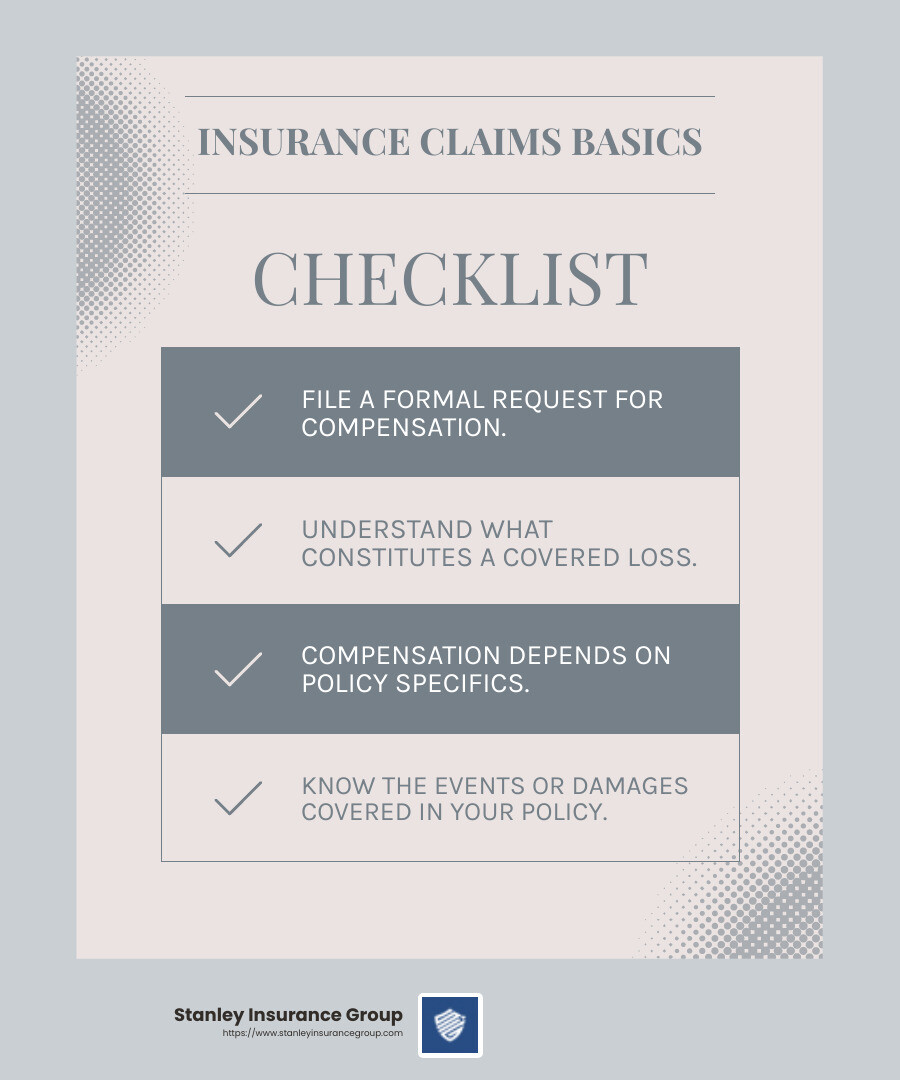
Insurance claims are the backbone of the insurance industry. Put simply, an insurance claim is a policyholder's formal request for compensation following a covered event. These claims can range across types, including medical, home, or auto insurance, and are essential in helping individuals recover from unexpected situations.
Here's a quick rundown on insurance claims:
- Definition: A formal request by a policyholder to an insurance company for compensation for a covered loss.
- Objective: To indemnify the policyholder against covered losses, thus facilitating financial recovery.
- Process: Typically involves filing a claim, assessment by an insurance adjuster, and eventual settlement if approved.
I am Brandon Stanley, President of Stanley Insurance Group. With my extensive experience since 1984 in the insurance sector, including with insurance claims, I’ve seen how proper coverage can give families peace of mind. My focus is always on building relationships and ensuring our clients are protected with personalized service.
Understanding Insurance Claims
When it comes to insurance claims, think of them as a formal request you, the policyholder, make to your insurance company. This request is for compensation due to a covered loss or event. Let's break it down:
Formal Request
An insurance claim starts with you filing a formal request. This means you officially notify your insurance company about the loss or damage. Whether it's a car accident, a storm-damaged roof, or a health issue, the process begins with a claim.
Compensation
Once your claim is filed, the goal is compensation. This means getting financial help from your insurance company to cover the costs associated with your loss. The amount and type of compensation depend on the specifics of your policy and the nature of the loss.
Covered Loss
Not all losses are covered. A covered loss refers to an event or damage specifically listed in your insurance policy. For example, if your policy covers storm damage, then damage from a hurricane would be a covered loss. It's crucial to know what's covered under your policy to ensure you can claim compensation when needed.
At Stanley Insurance Group, we pride ourselves on our concierge touch and long-standing relationships with our clients. Since '84, our independent agents have been here to guide you through the insurance claims process, ensuring you get the support you need. We also offer assistance in Spanish, thanks to our dedicated team members like Ana and Sandra.
Types of Insurance Claims
When dealing with insurance, it's important to understand the different types of insurance claims you might encounter. Let's explore the three main types: own damage, no-fault damage, and third-party claims.
Own Damage
Own damage claims are all about your property. Whether it's your home or your car, this type of claim covers the repair or replacement costs when your property is damaged. For example, if your car is involved in an accident and you were at fault, an own damage claim would help cover the repair costs. Filing too many own damage claims can lead to a rate hike in your premiums, so it's wise to file only when necessary.
No-Fault Damage
No-fault damage claims come into play when you're not responsible for the damage. Picture this: your parked car gets hit by another driver. In this case, you can file a no-fault damage claim. This type of claim ensures that you get compensation for the damage without affecting your insurance rates. However, factors like previous claims or environmental risks in your area might still cause your rates to increase.
Third Party
Third-party claims involve damage or injury to someone else or their property. If you're at fault in a car accident and the other driver or their vehicle is damaged, a third-party claim covers the costs. This type of claim is crucial because it protects you from having to pay out-of-pocket for damages or injuries you cause to others. It's essential to have adequate third-party coverage to avoid financial strain in such situations.
At Stanley Insurance Group, we understand that navigating through insurance claims can be daunting. Since '84, we've been committed to providing a personalized, concierge touch to our clients. Our team, including our Spanish-speaking agents Ana and Sandra, is here to guide you every step of the way.
The Insurance Claims Process
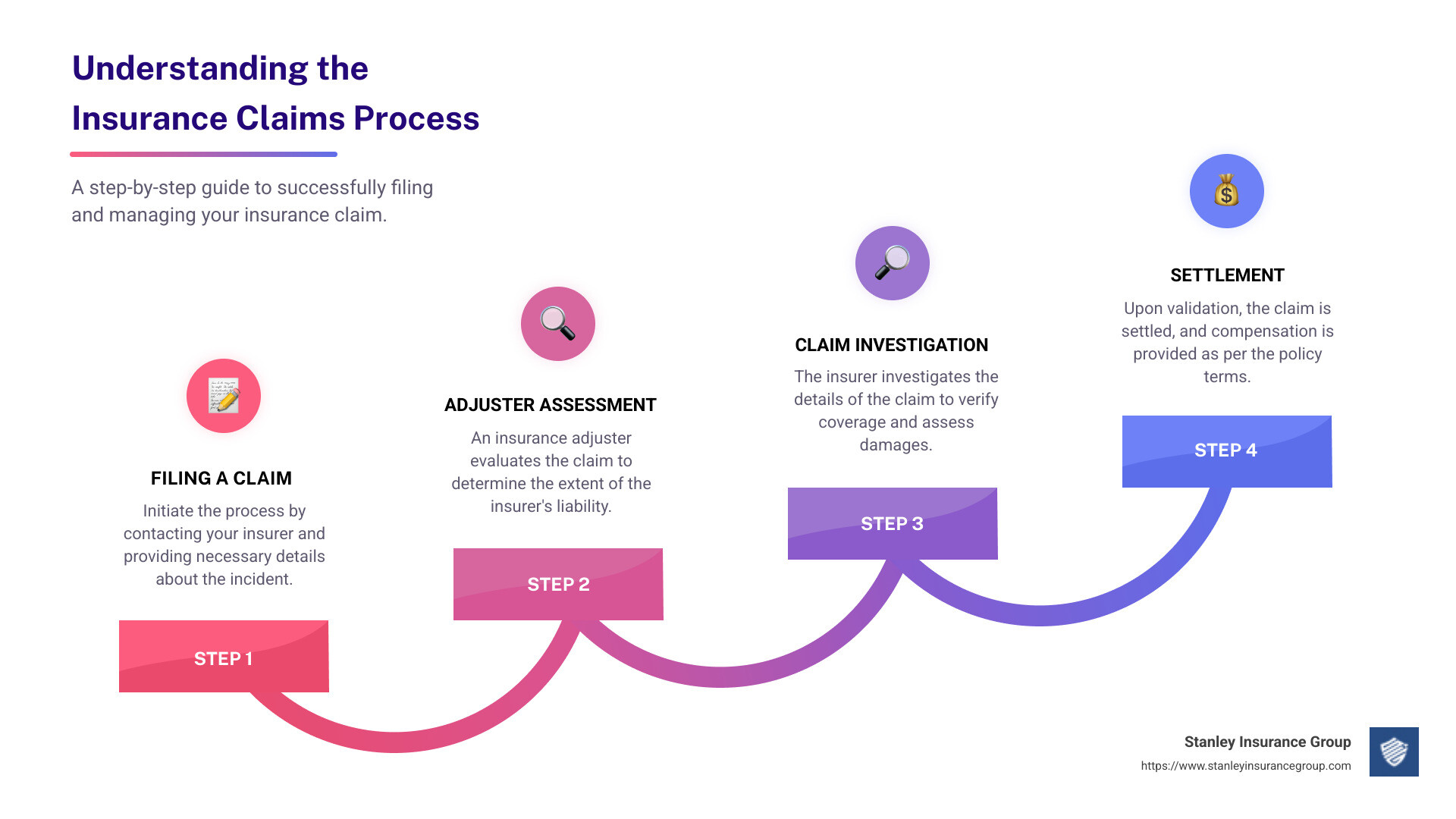
Navigating the insurance claims process can feel overwhelming, but understanding each step makes it more manageable. Let's break it down into four key stages: filing a claim, working with an adjuster, investigation, and reaching a settlement.
Filing a Claim
The first step in the insurance claims process is to file a claim. This involves notifying your insurance company about the damage or loss you've experienced. You can do this by phone, online, or through a mobile app. Be sure to provide all necessary details, like the date and nature of the incident, and any supporting documents or photos. The sooner you file, the quicker the process can begin.
Working with an Adjuster
Once your claim is filed, an adjuster will be assigned to your case. This person acts as the liaison between you and the insurance company. The adjuster’s role is to assess the damage and determine the amount of compensation you’re eligible for. It's important to communicate openly with your adjuster and provide any additional information they request. Keep their contact details handy and note down any conversations for your records.
Investigation
The investigation phase involves a thorough review of the claim by the adjuster. They might visit the site of the damage, review photos, or even interview witnesses. This step is crucial for verifying the details of the claim and ensuring that it aligns with your policy coverage. The investigation helps the insurance company decide whether to approve or deny the claim.
Settlement
Once the investigation is complete, the adjuster will propose a settlement. This is the compensation amount offered by the insurance company to cover your loss. If you agree with the settlement, you can proceed with repairs or replacements. If you disagree, you have the right to negotiate or provide further evidence to support your claim. The settlement process can take time, so patience is key.
At Stanley Insurance Group, we’ve been supporting our clients since '84, offering a personalized, concierge touch through every step of the insurance claims journey. Our team, including Spanish-speaking agents like Ana and Sandra, is always ready to assist you, ensuring a smooth and stress-free experience.
What Not to Say to an Insurance Adjuster
When you're dealing with an insurance adjuster, it's important to be careful about what you say. Adjusters are there to determine the details of your claim, but saying the wrong thing can affect the outcome. Here are a few key points to keep in mind:
Admitting Fault
Never admit fault when speaking to an insurance adjuster. Even if you think you might be responsible, it's best to let the investigation determine who is at fault. Statements like "I didn't see the car coming" or "I should have been more careful" can be used against you. Stick to the facts and avoid assigning blame.
Unnecessary Information
Keep your conversations with the adjuster focused and relevant. Sharing too much information can complicate your claim. For example, details about past accidents, unrelated medical issues, or personal opinions are not necessary. Provide only the information that is directly related to the incident in question.
Settlement Acceptance
Be cautious about accepting a settlement offer too quickly. Adjusters might propose a settlement that seems fair at first glance, but it might not cover all your expenses. Take the time to review the offer carefully and consider consulting with an insurance agent or attorney if needed. Once you accept a settlement, you typically can't ask for more later.
At Stanley Insurance Group, our experienced team, including Spanish-speaking agents like Ana and Sandra, is here to guide you through the claims process. With our personalized service and dedication since '84, we ensure you have the support you need to make informed decisions.
How Filing an Insurance Claim Can Affect Your Rates
When you file an insurance claim, it might seem like the logical step after an accident or damage. However, it's important to understand how this can affect your insurance rates and coverage.
Rate Hike
Filing a claim can lead to a rate hike. Even if the incident wasn't your fault, your insurance company may consider you a higher risk. This is because they're betting on the likelihood of future claims. For example, if you file multiple claims within a short period, your rates might increase significantly. In some cases, your policy might not even get renewed.
Coverage Considerations
When you make a claim, your insurance company will review your coverage. They might decide to adjust your coverage terms based on the risk assessment. If you find yourself filing claims frequently, it's possible that your coverage could be altered or limited. This means you might end up paying more for less protection.
Policy Terms
Understanding your policy terms is crucial before filing a claim. Some insurers offer accident forgiveness for the first claim, meaning your rates won't go up immediately. However, this doesn't apply to all policies. Review your policy details or discuss them with your insurance agent to know what to expect.
At Stanley Insurance Group, we have built relationships since '84, offering a concierge touch with our independent agents. Our team, including Spanish-speaking specialists like Ana and Sandra, is here to help you steer these complex waters. We ensure you make the best decisions for your situation, keeping your needs at the forefront.
Frequently Asked Questions about Insurance Claims
What are the three types of insurance claims?
When dealing with insurance claims, it's important to know the different types you might encounter. Here's a quick breakdown:
Own Damage Claims: This type of claim is for damage to your own property, like your car or home. If you accidentally back into a pole and dent your car, you would file an own damage claim to cover the repairs.
No-Fault Damage Claims: Sometimes, accidents happen, and you’re not to blame. In these cases, you can file a no-fault damage claim. For instance, if a storm damages your roof, you can file a claim without worrying about fault.
Third-Party Claims: These come into play when someone else is responsible for the damage. If another driver hits your car, you would file a third-party claim against their insurance.
What is the insurance claims process?
Filing an insurance claim can feel overwhelming, but breaking it down into steps makes it easier:
File a Claim: Start by contacting your insurance company. You can usually do this online, over the phone, or through a mobile app. Provide all necessary details, like photos of the damage and any relevant documents.
Adjuster Involvement: An adjuster will be assigned to your case. They evaluate the damage to determine the cost of repairs or compensation. Make sure to cooperate and provide any additional information they might need.
Investigation: The adjuster might investigate the incident further, especially if there are disputes about who was at fault. This might include talking to witnesses or reviewing police reports.
Settlement: Once the investigation is complete, the insurance company will offer a settlement. This is the amount they agree to pay for your claim. You can accept this offer, or negotiate if you feel it’s not fair.
What not to say to an insurance claim adjuster?
Knowing what to avoid saying can be as important as knowing what to say:
Admitting Fault: Never admit fault, even if you think you might be responsible. Leave it to the adjuster to determine liability.
Unnecessary Information: Stick to the facts. Avoid sharing unrelated details that might complicate your claim.
Settlement Acceptance: Don’t rush into accepting the first settlement offer. Make sure it covers all your expenses and damages. If you're unsure, consult with your insurance agent or a legal advisor.
At Stanley Insurance Group, we pride ourselves on providing personalized service since '84. Our independent agents, including Spanish-speaking specialists like Ana and Sandra, are here to guide you through the process, ensuring you understand every step and make informed decisions.
Conclusion
Navigating insurance claims can be daunting, but at Stanley Insurance Group, we're here to make it as smooth as possible. We've been offering personalized service since '84, and our commitment to our clients is at the heart of everything we do.
Our team of independent agents is dedicated to building lasting relationships with you. We understand that every insurance need is unique, and we're here to provide guidance custom to your specific situation. Whether you're dealing with a claim or just exploring your options, our agents are ready to help.
We also recognize the importance of clear communication. That's why we offer Spanish-speaking agents like Ana and Sandra, who are available to assist Spanish-speaking clients with any questions or concerns. This ensures that language is never a barrier to receiving the quality service you deserve.
At Stanley Insurance Group, we pride ourselves on being more than just an insurance provider. We're your partners in navigating the complexities of insurance, offering a concierge touch that only an independent agency can provide. Whether you're in Ohio, Pennsylvania, Tennessee, North Carolina, South Carolina, or Florida, our team is ready to support you.
For more insights and tips on insurance, visit our blog. Let us help you make informed decisions and protect what matters most to you.
Similar posts