Who to Call First: Insurance or Roofing Contractor?
Do I contact insurance first or contact a roofing company? Learn who to call for efficient storm damage management!
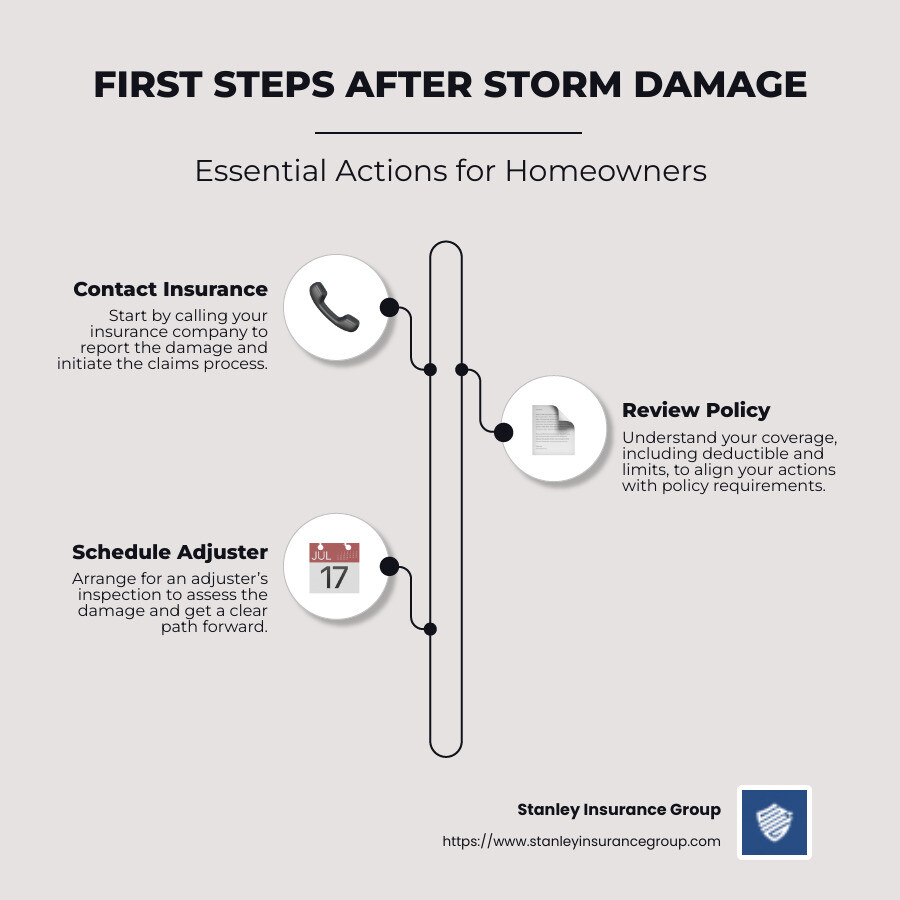
Do I contact insurance first or contact a roofing company? Here's the quick answer: Start by calling your insurance company if you suspect your roof has storm damage. This way, you can initiate the claims process and understand your coverage before reaching out to a roofing contractor. This ensures that any inspections align with your policy requirements and might even prompt the insurance company to guide you on the next steps. But remember, post-inspection, hiring a reputable roofing contractor is crucial for thorough damage assessment and repair.
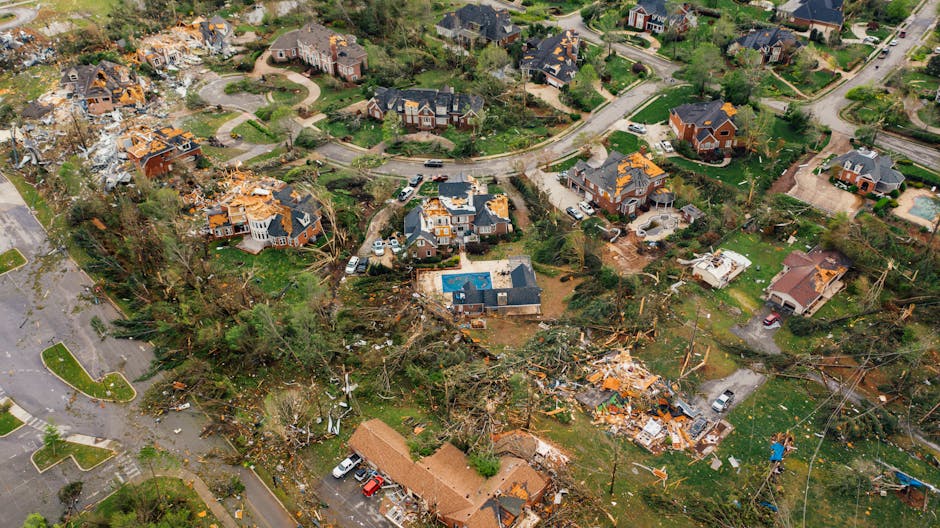
Imagine a severe storm sweeps through your area, leaving potential damage in its wake. Navigating the aftermath can be daunting, particularly when it comes to deciding whether to contact your insurance first or a roofing company. Understanding the right steps not only ensures a smooth process but also helps you make the most of your insurance benefits.
At Stanley Insurance Group, we've been guiding homeowners since '84 to efficiently manage their insurance needs with a personal touch, backed by the trust of only 100 independent agents partnered with Geico nationwide. As Brandon Stanley, with experience in both family security and financial protection, I assure you that understanding whether to contact insurance first or a roofing company will save time and resources, making the process less stressful.
Why Call a Roofing Contractor First?
When dealing with roof damage, especially after a storm, your first instinct might be to call your insurance company. However, reaching out to a roofing contractor first can offer several advantages that streamline the process and maximize your claim benefits.
Benefits of a Roofing Contractor's Assessment
Accurate Assessment: Roofing contractors are experts in identifying damage. They conduct thorough inspections, uncovering both visible and hidden issues. This means they can spot deeper problems like water damage or structural issues that an insurance adjuster might overlook.
Expertise in Roofing Systems: Contractors understand the complexities of roofing systems. Their detailed appraisals ensure that all damage is documented accurately, providing a solid foundation for your insurance claim.
Advocacy and Support: A contractor acts as your advocate. They can liaise with your insurance adjuster to explain the extent of the damage, which can be crucial in ensuring your claim is processed correctly.
Avoiding Insurance Claim Pitfalls
Understanding Deductibles and Premiums: Filing unnecessary claims can lead to increased premiums. A contractor's assessment helps determine if the damage exceeds your deductible, making it worth filing a claim.
Preventing Unnecessary Claims: Not all damage requires an insurance claim. Contractors can recommend cost-effective repairs, saving you from filing a claim that might not be necessary.
Upfront Costs and Recommendations: Roofing contractors can provide upfront costs and repair recommendations, helping you make informed decisions. This clarity can prevent unexpected expenses down the line.
At Stanley Insurance Group, we've been building relationships since '84, offering a concierge touch with our independent insurance agents. Our team, including Spanish-speaking agents like Ana and Sandra, is here to support you every step of the way.
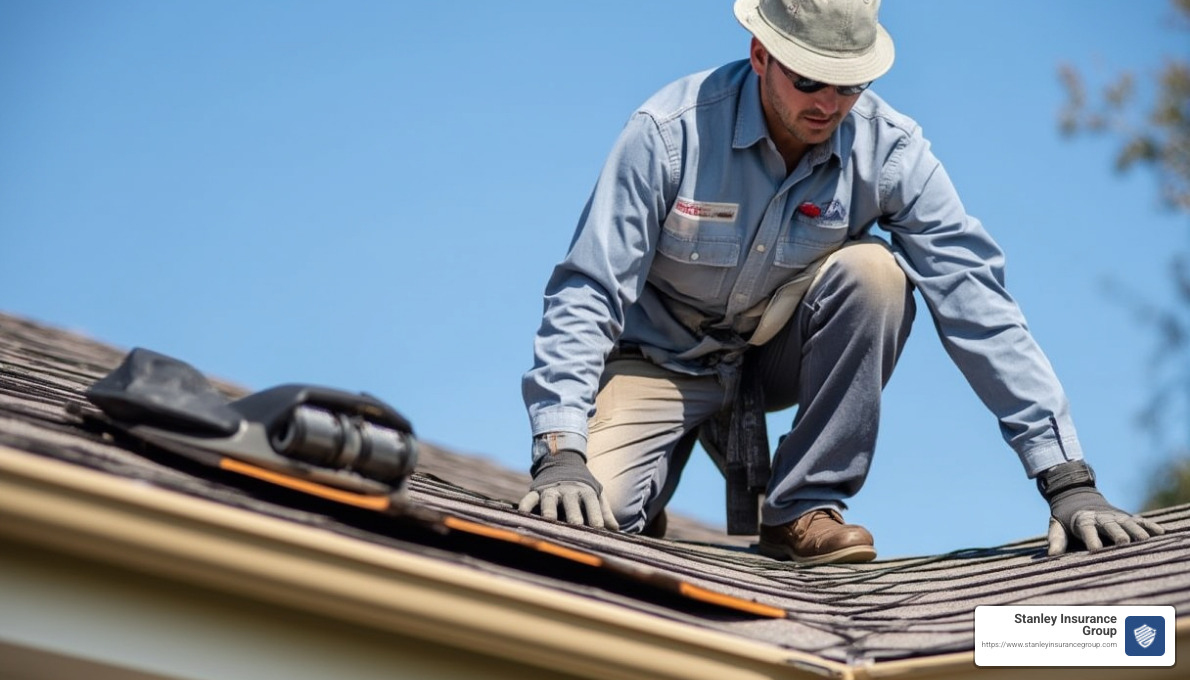
By starting with a roofing contractor, you ensure that your insurance claim is based on a comprehensive and accurate understanding of the damage. This approach not only helps in securing a fair claim settlement but also in maintaining the integrity and longevity of your roof.
When to Contact Your Insurance Company First
When your roof suffers damage, especially from a storm, knowing when to contact your insurance company can make a big difference in how smoothly the process goes. At Stanley Insurance Group, we've been building relationships since '84, offering a concierge touch with our independent insurance agents. Here's what you need to know about your insurance policy, the role of the adjuster, and how the claim process works.
Understanding Your Insurance Policy
Your insurance policy is the blueprint for what your insurer will cover when it comes to roof damage. Understanding this document is crucial. It outlines whether you have an Actual Cash Value (ACV) policy or a Replacement Cost Value (RCV) policy.
Actual Cash Value (ACV) Policy: This type of policy pays out based on the depreciated value of your roof. So, if your roof is older, the payout might not cover the full cost of a new roof.
Replacement Cost Value (RCV) Policy: This policy covers the cost of replacing your roof with a new one, similar to its original condition. However, you might have to pay the difference if you opt for upgrades.
Both policies have coverage limits and require you to pay a deductible. Your deductible is the amount you pay out-of-pocket before your insurance kicks in. It's important to know this amount so you can decide if filing a claim is worth it.
The Role of the Insurance Adjuster
Once you contact your insurance company, an adjuster will be assigned to your claim. The adjuster plays a key role in the approval process.
Inspection: The adjuster will conduct a detailed inspection of the damage. They focus on aspects like the quality of installation, extent of visible damage, and the age and condition of the roof.
Documentation: They will take photos and document the damage using a program like Xactimate, which helps in creating a detailed estimate of the repair costs.
Approval Process: After the inspection, the adjuster will decide whether to approve or deny the claim. This decision is based on the documentation and the terms of your policy.
There are two types of adjusters you might encounter: field adjusters and desk adjusters. The field adjuster visits your property to assess the damage, while the desk adjuster reviews the field adjuster's report and makes the final decision on your claim.
Understanding these roles and processes helps you steer the insurance claim process more effectively. By knowing your policy details and the adjuster's responsibilities, you're better prepared to handle the situation smoothly and ensure your roof gets the attention it needs.
At Stanley Insurance Group, we pride ourselves on our team of dedicated professionals, including Amy in Commercial Lines, and our Spanish-speaking account specialists, Ana and Sandra. Our associate agents, Kaisen, Ethan, and Chase, are here to assist you every step of the way.
In the next section, we'll dig into how to steer the insurance claim process, including filing a claim, handling emergency repairs, and ensuring clear communication between all parties involved.
Navigating the Insurance Claim Process
When your roof is damaged, filing an insurance claim can seem daunting. But with a little guidance, you can steer the process smoothly. Here's a step-by-step guide to help you through it:
Steps to File a Claim
Report the Damage: As soon as you notice roof damage, contact your insurance company. They'll guide you on the next steps and assign an adjuster to your claim.
Emergency Repairs and Mitigation: Before the adjuster arrives, make any necessary emergency repairs to prevent further damage. This might include covering holes with a tarp to keep out rain. Keep receipts for any materials you purchase, as these may be reimbursable.
Documentation: Take clear photos of the damage from various angles. Document any temporary repairs you make and keep all related receipts. This information will be vital for your claim.
Assign an Adjuster: Your insurance company will assign an adjuster to inspect the damage. The adjuster will schedule an onsite inspection to assess the extent of the damage.
Onsite Inspection: During the inspection, the adjuster will evaluate the damage and take photos. They might use a program like Xactimate to create a detailed repair estimate.
Estimate: Once the inspection is complete, the adjuster will prepare an estimate of the repair costs. This estimate will be reviewed by a desk adjuster who makes the final decision.
Approval or Denial: The desk adjuster will approve or deny your claim based on the estimate and your policy details. If approved, you'll receive compensation for the repairs, minus your deductible.
Working with Both Parties
To maximize your payout and ensure a smooth process, it's crucial to maintain clear communication between your roofer and the insurance adjuster.
Roofer and Adjuster Communication: Your roofer can provide valuable insights during the adjuster's inspection. They can point out damage that might not be immediately visible and advocate on your behalf.
Accurate Claim: Ensure that both the roofer and adjuster are on the same page regarding the extent of the damage. This prevents misunderstandings and ensures that the claim accurately reflects the necessary repairs.
Preventing Misunderstandings: Keep a record of all communications with your insurance company and roofer. This includes emails, phone calls, and any documents exchanged. Clear communication helps prevent disputes and misunderstandings.
Maximizing Payout: Work closely with your roofer and adjuster to ensure that all damage is accounted for in the claim. A thorough inspection and accurate documentation can help maximize your insurance payout.
By following these steps and maintaining open communication, you can steer the insurance claim process effectively. This approach not only helps in getting your roof repaired promptly but also ensures that all parties are aligned, minimizing potential hiccups along the way.
In the next section, we'll address common questions homeowners have about roof damage and insurance claims, providing clarity on when to contact your insurance company or a roofing contractor first.
At Stanley Insurance Group, we've been building relationships since '84, offering a concierge touch with our independent insurance agents. With only 100 independent agents in partnership with Geico nationwide, we pride ourselves on personalized service. Our team, including Spanish-speaking agents Ana and Sandra, is here to assist you every step of the way.
Frequently Asked Questions about Roof Damage and Insurance Claims
Do I contact insurance first or contact a roofing company?
When your roof suffers damage, the first question many homeowners ask is, "Do I contact insurance first or contact a roofing company?" The answer hinges on your specific situation. Generally, it's recommended to contact your insurance company first. This allows them to guide you on the claim process and determine the next steps. Some insurance companies may require an adjuster to inspect the damage before you involve a roofer.
However, in certain areas, like Middle Tennessee, insurance companies might instruct you to have a roofing contractor assess the damage first. So, always start by checking with your insurance company. They will let you know how to proceed based on your policy and local practices.
Why should you call a roofer before your insurance company?
In some cases, it can be beneficial to call a roofer before your insurance company. Here's why:
Accurate Assessment: Roofing experts can provide a detailed inspection and identify any hidden issues. This gives you a clear picture of the damage before filing a claim.
Avoiding Unnecessary Claims: If the damage is minor or not covered by your policy, a roofer can advise you on whether it's worth filing a claim. This helps you avoid potential premium increases from unnecessary claims.
Documentation Support: A roofer can provide photos and detailed reports that support your claim, increasing the chances of approval.
While a roofer's assessment is valuable, the insurance company has the final say on claim approval. So, ensure that you follow your insurance company's process to avoid complications.
Should I have insurance look at my roof?
Yes, it's a good idea to have your insurance company inspect your roof if you suspect damage from a covered event, like a storm. Here's why:
Verification: An insurance adjuster can verify the cause and extent of the damage. This is crucial for claim approval.
Policy Compliance: Having insurance inspect your roof ensures you follow the correct procedures outlined in your policy, which is important for receiving coverage.
Accurate Documentation: The adjuster's report provides official documentation of the damage, which is essential for processing your claim.
At Stanley Insurance Group, we've been building relationships since '84, offering a concierge touch with our independent insurance agents. With only 100 independent agents in the country partnered with Geico, we pride ourselves on our personalized service. Our team, including Spanish-speaking agents like Ana and Sandra, is here to help you navigate your insurance needs. Reviewing your policy beforehand can help you understand what to expect.
By understanding these aspects, you can make informed decisions about whether to contact your insurance company or a roofing contractor first, ensuring a smoother process in handling roof damage claims.
Conclusion
At Stanley Insurance Group, we understand the stress and uncertainty that can come with roof damage. That's why we are committed to providing personalized service and building lasting relationships with our clients. Since '84, we have been a trusted partner in the community, helping homeowners steer the complexities of insurance claims with ease and confidence.
Our team of independent agents, including Spanish-speaking specialists like Ana and Sandra, are here to offer comprehensive support custom to your needs. We pride ourselves on offering comprehensive coverage that not only protects your home but also your peace of mind. Whether you're dealing with storm damage or just need advice on your policy, our agents are ready to assist you every step of the way.
Choosing Stanley Insurance Group means choosing a partner dedicated to protecting your assets and ensuring you have the right coverage in place. Our deep community roots and focus on personalized service set us apart, making us the go-to choice for homeowners in Ohio and beyond.
If you're ready to experience the concierge touch of Stanley Insurance Group, learn more about our home insurance offerings. Let us help you safeguard what matters most.
Similar posts